
Can Human-Centered Design Transform Climate Action?
How Participatory Design Can Advance Climate Justice and Resilience

When I first learned about design thinking, I was hooked. The idea of bringing people into decision-making processes—talking with them, understanding their needs, and co-creating solutions that reflect their values—felt like a revelation. This approach brings together creativity and empathy, offering a tangible way to ensure that the outcomes of our projects aren't just functional but truly meaningful to the people they serve.
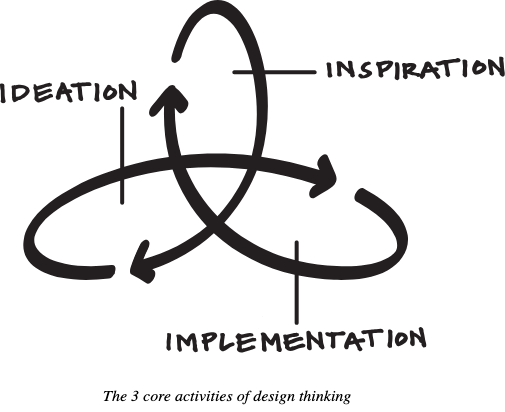
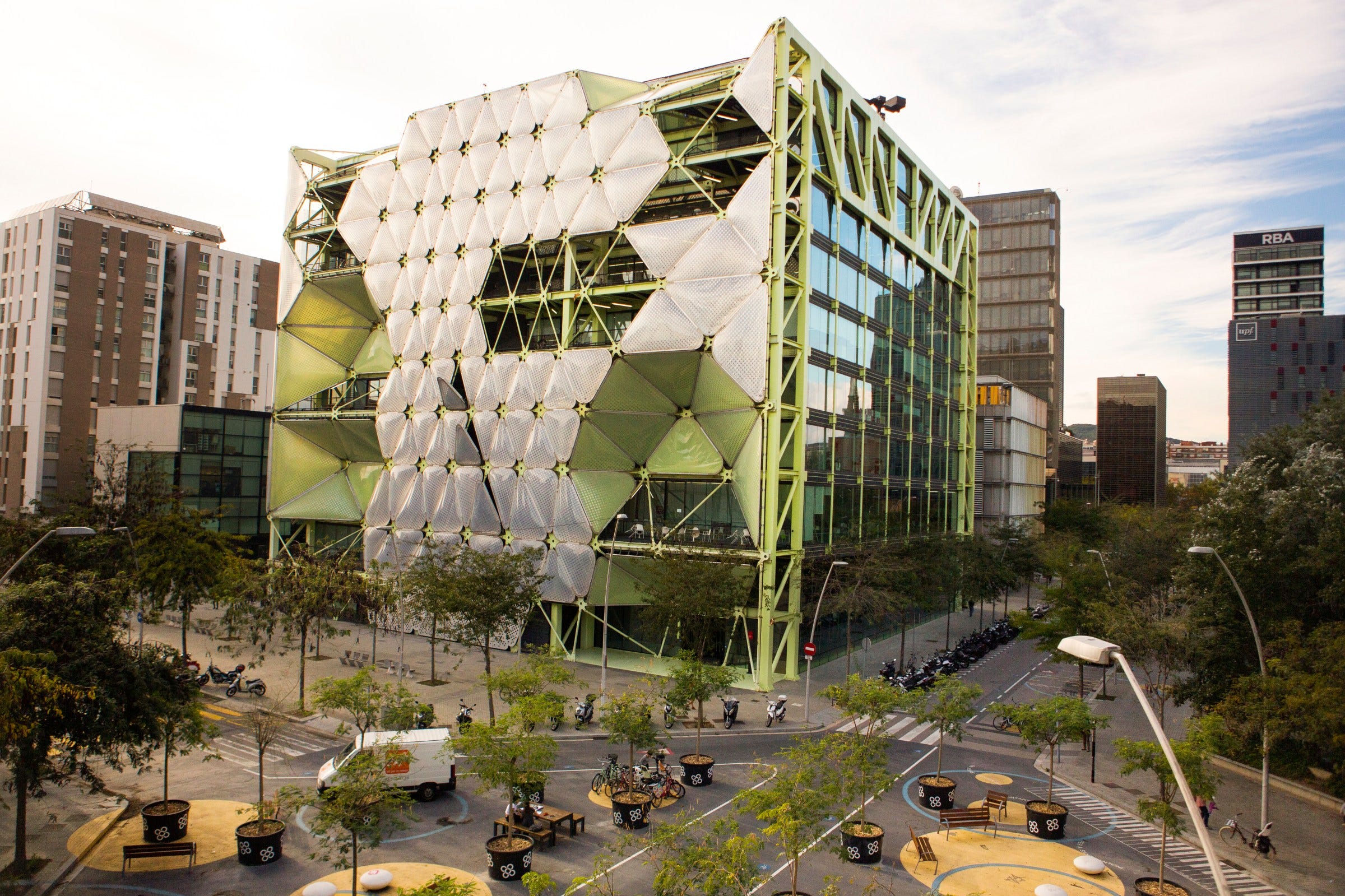
At the time, I was studying community development and urban planning. I was captivated by the possibilities of design firms like IDEO and frog, where designing wasn't limited to objects or products but extended to systems and experiences. In parallel, my master's studies focused on the intersection of public spaces, the built environment, and the human experience. I was motivated by the works of Jane Jacobs and her pioneering insights on designing for people, not cars, as guiding lights for applying design principles at an urban scale. Through my research and studies, I explored the iconic climate-resilient urban spaces of Copenhagen, Barcelona, Mexico City, and Seoul, which integrate nature-based solutions into the fabric of the city. I began weaving human-centered design into my approach, exploring how we could use these principles to rethink how planners, policymakers, and practitioners can work side-by-side with residents and co-design the city for a future of uncertainty and changing environments.
That journey led me to explore landscape architecture and urban design, pushing me to think about how spaces can foster connection, equity, and resilience. Fast forward ten years: I've worked in environmental planning, open space design, and environmental justice advocacy, and completed a doctorate in climate justice and urban adaptation. Through it all, design thinking has remained a thread tying my work together—not just as a method, but as a guiding philosophy.
Design as a Method and a Vision
At its core, design is about more than problem-solving; it's about intentionality. It's about asking: What values guide this process? Who is at the table? How does this reflect the world we want to create?
In the context of climate action, design offers tools that can help us navigate complexity. It invites us to embrace uncertainty and approach challenges with curiosity and humility. More importantly, it centers the people who are most affected by climate change, ensuring their voices guide the solutions.
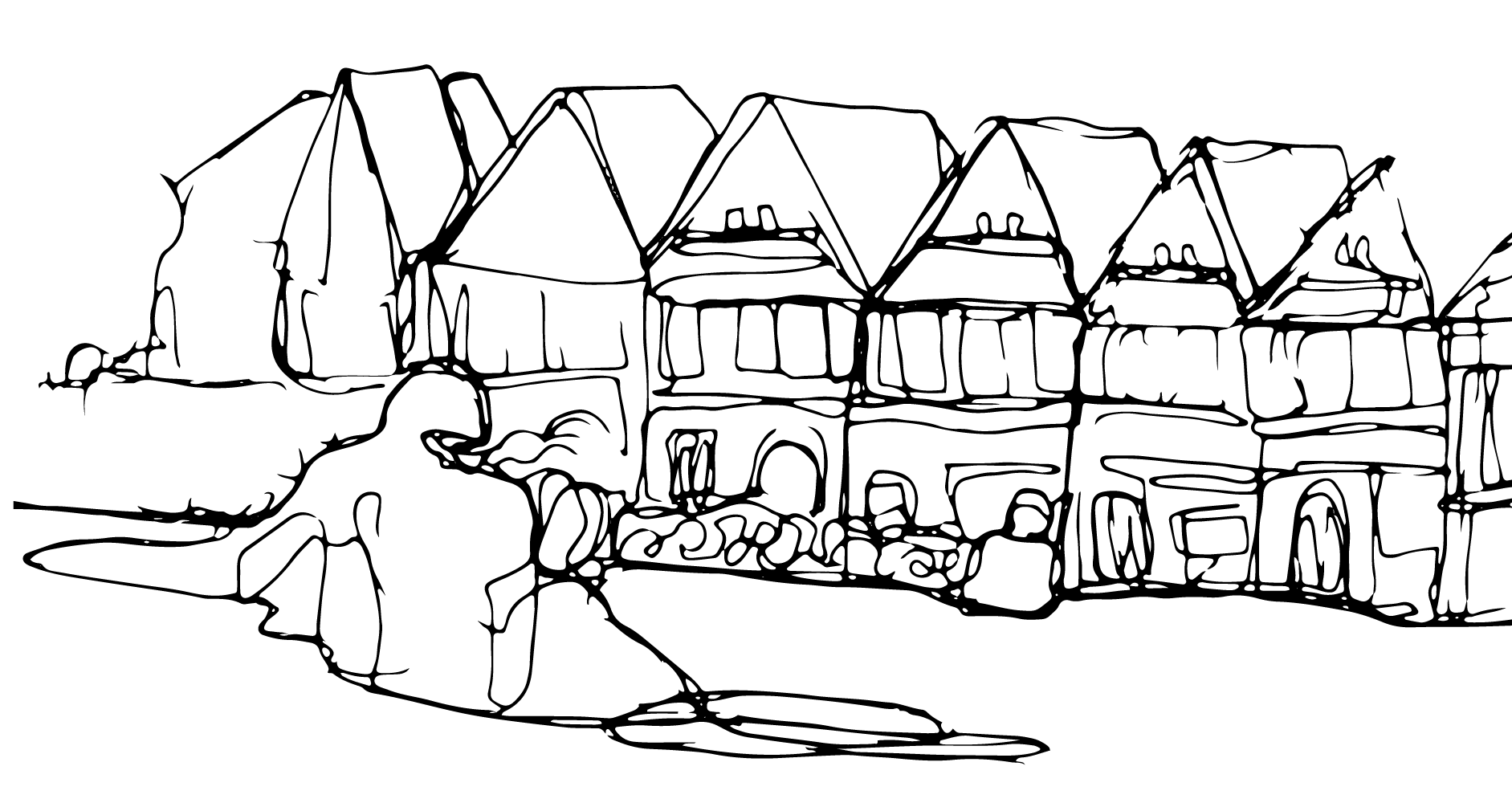
For instance, when I worked on open space design and advocacy, we used participatory design to engage communities in reimagining public spaces. In one project, we set up a pop-up art station in a central plaza of a historically marginalized neighborhood, inviting residents to share their experiences and aspirations through storytelling and drawing. Their contributions directly shaped the design of the space, ensuring it wasn't just functional but deeply rooted in their lived experiences.
This kind of participatory approach is vital for climate action. Whether we're discussing designing green infrastructure, planning for sea level rise, or creating community-based adaptation strategies, we need processes that reflect the values and priorities of those most impacted. Design thinking gives us a way to do that—a structured yet flexible framework for collaboration, iteration, and innovation.
Design for Collaborative Climate Action
Climate action is, by nature, a deeply collaborative endeavor. It requires bringing together diverse stakeholders—community members, scientists, planners, and policymakers—and finding ways to align their perspectives and priorities. Here's where human-centered design can truly shine.
By centering empathy and inclusion, we can create processes that foster trust and buy-in, two critical ingredients for effective climate action. For example, in the Bay Area, I've worked on projects where participatory workshops brought together community members to map their neighborhoods' strengths and vulnerabilities in the face of climate risks. These sessions didn't just generate data; they empowered participants, elevating local knowledge and experiences to be central to shaping our understanding of the problem and possible solutions.
Design for Justice and Inclusion
As we face a future of increasing uncertainty—rising seas, intensifying storms, deepening inequities—the need for justice and inclusion in climate action has never been more urgent. And perhaps, design thinking offers a pathway to integrate these values into every stage of the process.
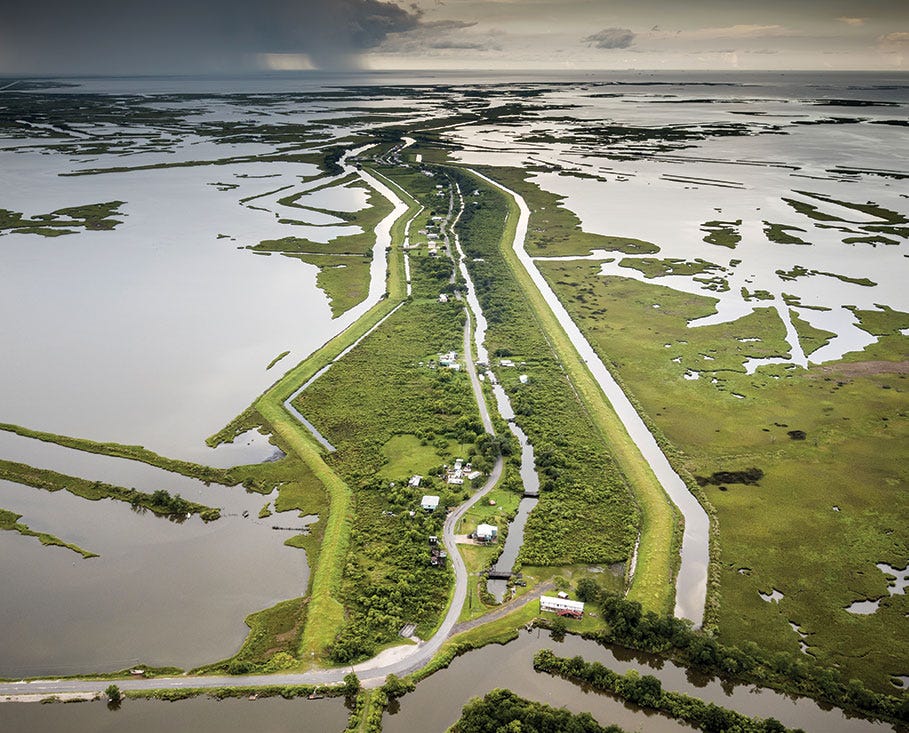
Take, for example, the role of design in addressing climate-driven displacement. Communities forced to relocate due to flooding or wildfires face immense challenges, from finding safe housing to preserving cultural ties. The relocation of Isle de Jean Charles in Louisiana, one of the first federally funded managed retreat projects in the U.S., underscores the complexities of preserving cultural and community ties while addressing immediate safety concerns. A human-centered design approach would begin by understanding the needs and aspirations of the displaced and co-developing strategies for relocation that prioritize dignity, agency, and community cohesion. This approach looks beyond immediate crisis and looks towards long-term resilience and equitable access.
This is where design becomes more than a method. It becomes a vision for how we approach the crises of our time—a way of acting with care, creativity, and accountability.
Eager to Learn, Ready to Act
In a time of darkness—when the challenges of climate change can feel overwhelming—I find myself returning to design as a source of hope. It reminds me that we have tools to navigate uncertainty, collaborate across divides, and create futures that are more equitable and just.
I'm eager to continue exploring how design can support climate justice and collective climate action, not as a panacea but as a way to approach these challenges with intention and respect. If we can center the voices of those most impacted, if we can design systems that are adaptive, and inclusive—then maybe, just maybe, we can create something transformative together.
Until next time.
References
IDEO, 2024. Design Thinking Defined. https://designthinking.ideo.com/
Vox, 2019. Barcelona wants to build 500 superblocks. Here’s what it learned from the first ones. https://www.vox.com/energy-and-environment/2019/4/9/18273894/barcelona-urban-planning-superblocks-poblenou